
A Los Angeles real estate attorney who is also a licensed broker
Jimmy Nguyen is a California real estate attorney working throughout the Los Angeles metropolitan area — Los Angeles County and Orange County — and appearing in the Superior Courts of both. He is a California licensed attorney (State Bar #282045) and a licensed real estate broker in California (DRE 01496817) and Nevada (B.1003193.LLC), and he has worked inside the real estate industry for over 20 years. He serves the Los Angeles and Orange County areas.
Most of the people who contact him are home buyers who have just discovered something the seller never mentioned, or who are still in escrow and watching a deposit they cannot afford to lose. He represents home buyers in seller non-disclosure, agent misconduct, and earnest money disputes in California, and takes other real estate matters where the facts warrant it.
The disputes that bring people here
- A seller who did not disclose. Water intrusion, a foundation problem, unpermitted work, asbestos or a failing duct system, a death on the property within the last three years, a neighbor dispute — something material the seller knew and left off the TDS or the SPQ. Seller disclosure and agent misconduct claims.
- An agent or broker who did not protect you. A skipped visual inspection, a material fact papered over, a dual-agency conflict, pressure to remove a contingency so a commission could close. Suing your own real estate agent.
- An earnest money deposit nobody will release. The other side is sitting on your deposit, or the seller is claiming the whole thing as liquidated damages. Earnest money and deposit disputes.
- A purchase contract that is going wrong while you are still in escrow. This is the moment when advice is worth the most and the one most people wait too long to ask for.
- A commercial property or lease dispute. Commercial real estate matters.
Where a Los Angeles County real estate case actually goes
Los Angeles County has no single civil courthouse, and a buyer can lose time by filing in the wrong one. Under Los Angeles Superior Court Local Rule 2.3, an unlimited civil real property case may be filed in the Central District downtown or in the district where the property is located, and a new civil case must be filed with form LACIV 109, a Civil Case Cover Sheet Addendum and Statement of Location, on which the filer certifies the grounds for assigning the case to a particular courthouse. Get it wrong and the case can be transferred after the filing fee has already been paid.
- Stanley Mosk Courthouse, 111 North Hill Street, downtown Los Angeles — the central civil courthouse, in the Central District, where class actions must be filed. The civil clerk’s office is on the first floor.
- The district courthouses — Pasadena, Long Beach, Santa Monica, Van Nuys, Torrance, Glendale, Norwalk and Compton among them. Which one your case belongs in generally follows where the property sits or where the defendant is, and that is what the LACIV 109 asks you to state.
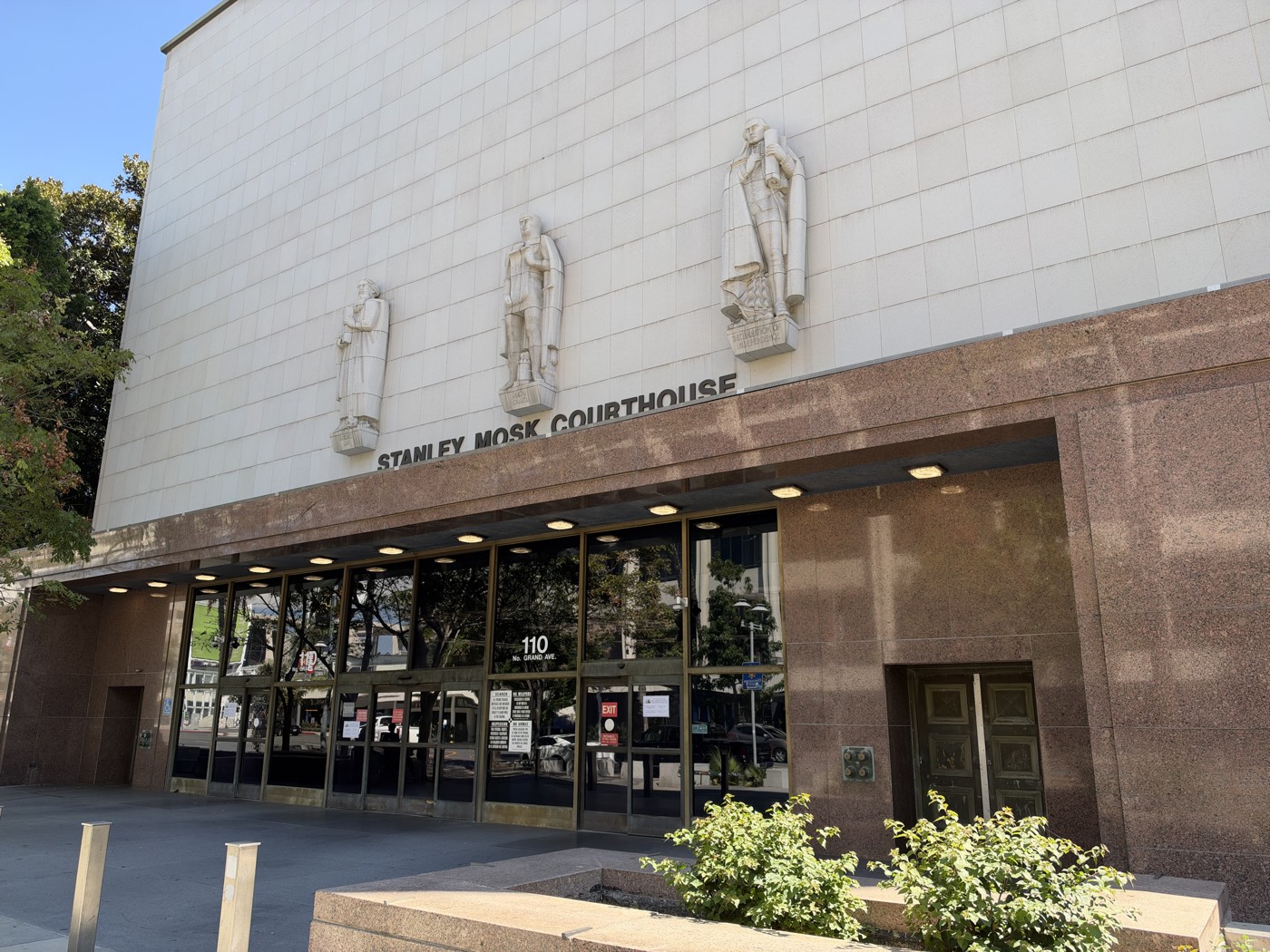
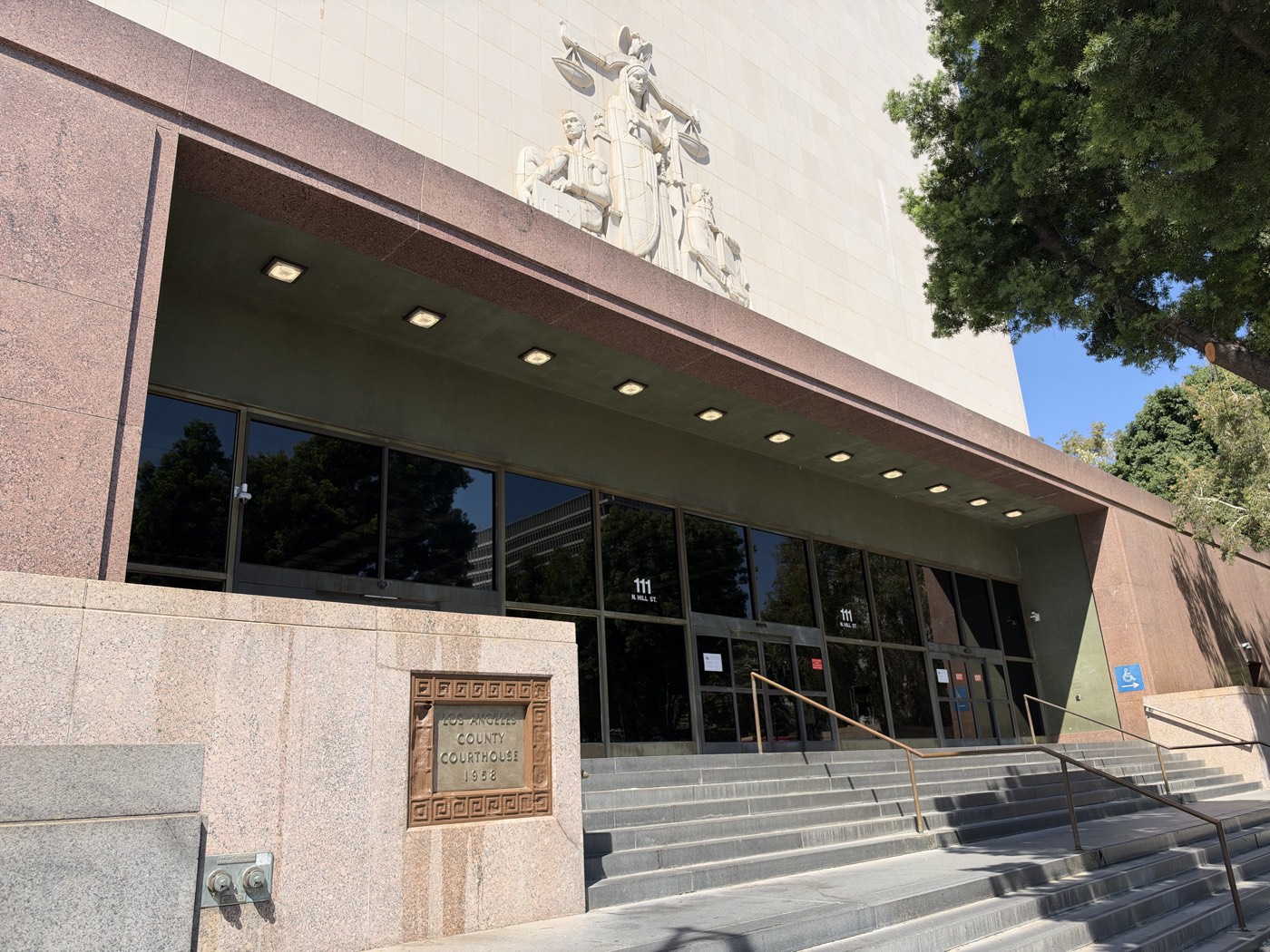
A non-disclosure claim seeking repair costs, diminution in value and consequential damages under Civil Code § 3343 is an ordinary civil action, and which of those courthouses it belongs in is a question worth settling before anything is filed rather than after.
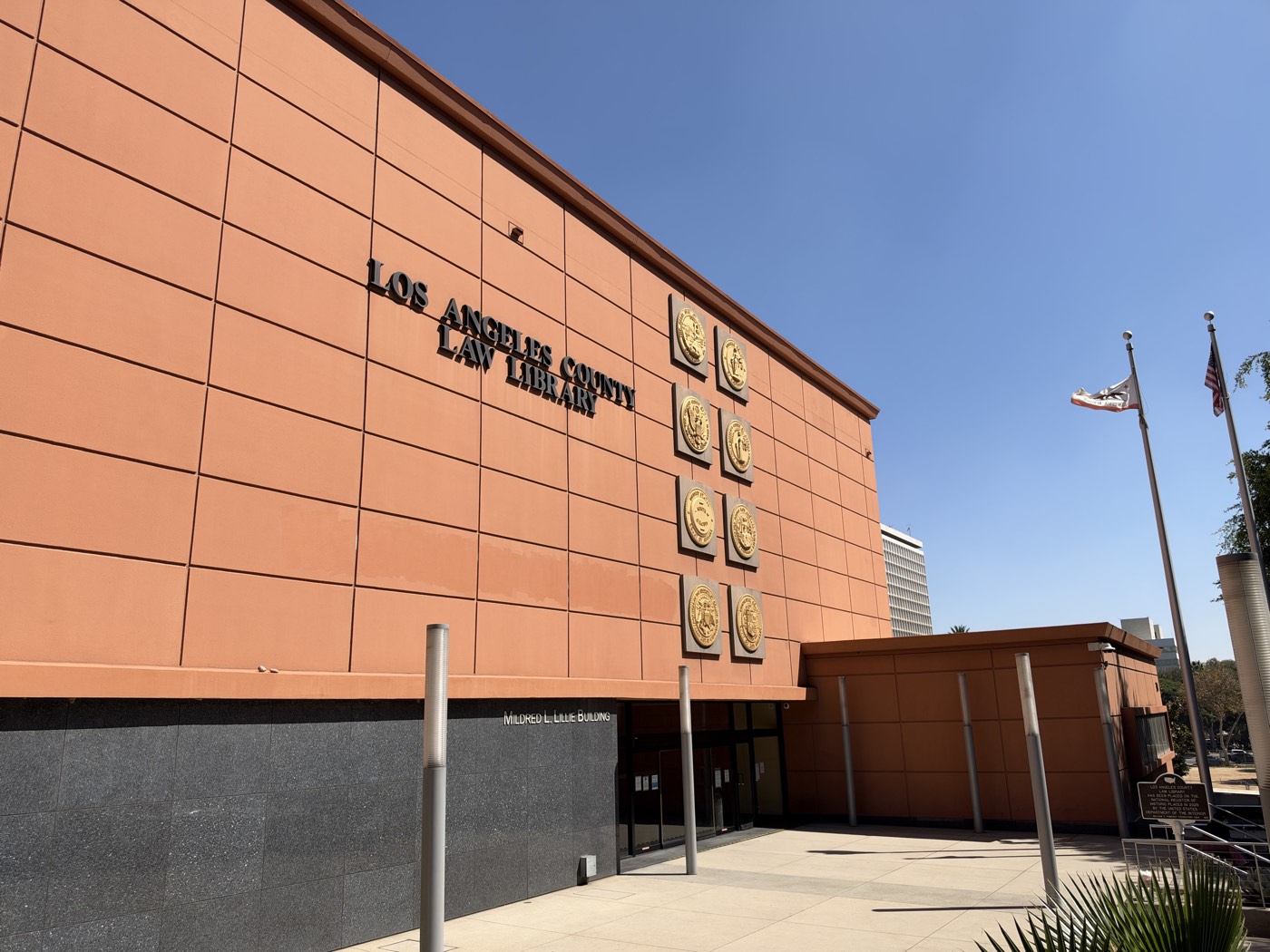
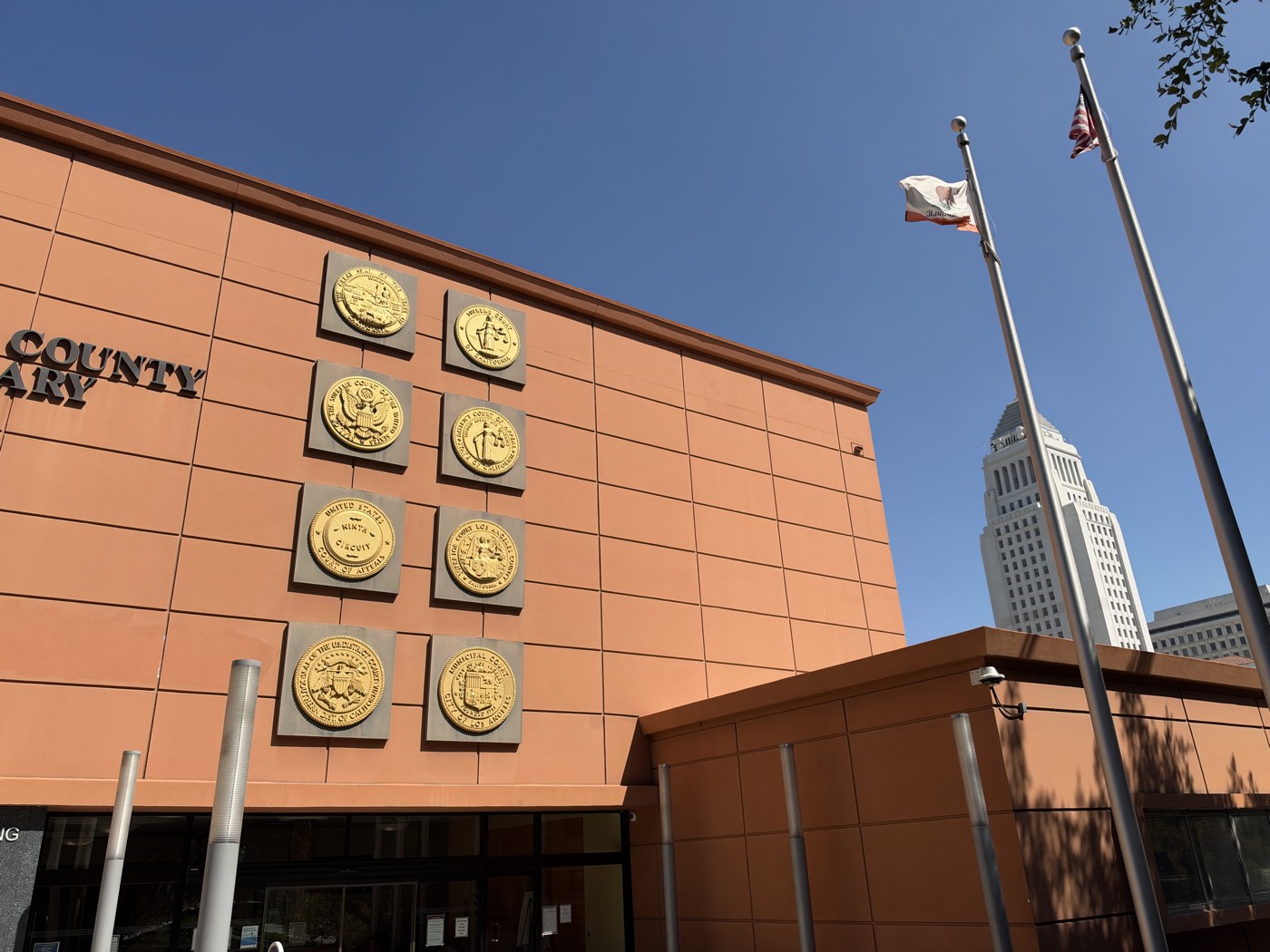
If you want to read the rules yourself before you write, the Los Angeles County Law Library at 301 West First Street, a short walk from the Stanley Mosk Courthouse, is open to the public. Its reference librarians can point you to the Superior Court’s local rules, the LACIV 109 and the practice guides lawyers use, though they cannot advise you on your own case.
Where an Orange County case goes
Orange County divides its work among justice centers rather than one courthouse:
- Central Justice Center, 700 Civic Center Drive West, Santa Ana — the main civil location.
- Civil Complex Center, 751 West Santa Ana Boulevard, Santa Ana — complex civil matters.
- Harbor Justice Center, 4601 Jamboree Road, Newport Beach.
- North Justice Center, 1275 North Berkeley Avenue, Fullerton.
- West Justice Center, 8141 13th Street, Westminster.
Civil real estate cases in Orange County, limited and unlimited, are heard at the Central Justice Center in Santa Ana, and cases designated complex go to the Civil Complex Center. The Harbor, North and West Justice Centers do not hear civil real estate cases.
The step before any of it
There is a requirement that catches buyers out in every California county, Los Angeles and Orange included. The California Association of Realtors residential purchase agreement most transactions are written on requires the parties to attempt mediation before filing, and a party who refuses a proper mediation request can forfeit the right to recover attorney fees even if they go on to win. That single clause has cost buyers more than any filing fee. More on the mediation requirement, and Jimmy’s own real estate mediation practice.
Deadlines are the reason to call early
Real estate claims run on clocks that start before most people realize anything is wrong, and the evidence that proves them — listing photos, prior MLS records, permit history, the agent’s own file — gets harder to obtain the longer you wait. If you are still in escrow, the contingency and closing dates in your contract are running right now. If you have already closed and found something, the useful question is not whether you have a case but how much time you have left to decide. That is what the first conversation is for.
The Los Angeles metropolitan area
Jimmy takes matters across the region: in Los Angeles County, the city of Los Angeles itself along with Long Beach, Pasadena, Glendale, Burbank, Santa Monica, Culver City, Beverly Hills, the South Bay through Torrance and the beach cities, the San Fernando Valley, Whittier, Downey, Norwalk and Pomona; and in Orange County, Irvine, Anaheim, Santa Ana, Newport Beach, Huntington Beach, Costa Mesa, Fullerton, Orange, Tustin, Yorba Linda, Mission Viejo, Laguna Hills and Laguna Niguel. He also practices in San Jose and Santa Clara County, and elsewhere in California where the facts warrant it.
What happens after you write to him
Jimmy reads every submission himself and replies personally, usually within one business day. If the matter is one he can help with, the next step is a complimentary phone consultation to understand the facts and answer your preliminary questions. There is no obligation and no fee for that conversation.
If you decide to move forward after that, he will quote a fee for the specific work you have agreed on — depending on the matter, a flat fee, an advance retainer, an hourly arrangement, or in some cases a contingency fee paid from a recovery. You will have the scope and the fee arrangement in writing before anything begins.
Attorney and broker in one
Jimmy sees a real estate dispute from two sides at once. He has been licensed as a California salesperson since 2005 and as a broker since 2007, which means that when a seller hides a defect or an agent gives bad advice, he understands both the law being broken and the ordinary industry practice it departed from — what an agent should have put in the AVID, what a reasonable listing file looks like, what the disclosure packet should have contained. Jimmy is licensed to practice law only in California; his Nevada credential is a real estate broker license, not a law license.
Further reading on the matters that come up most: Seller Didn’t Disclose a Defect? What California Home Buyers Can Do, How to Get Your Earnest Money Deposit Back in California, Understanding California’s TDS and SPQ, and the Real Estate Law FAQ.
Questions buyers ask first
How much does it cost to talk to a real estate attorney in Los Angeles?
Jimmy offers a complimentary phone consultation to understand your matter and answer preliminary questions. There is no obligation and no fee for that conversation. If you decide to move forward afterwards, he quotes a fee for the specific work you have agreed on — depending on the matter, a flat fee, an advance retainer, an hourly arrangement, or in some cases a contingency fee paid from a recovery. You will have the scope and the fee arrangement in writing before anything begins.
Do I need a lawyer based in Los Angeles?
For a California real estate dispute, no. The law that decides these cases is state law, and it is the same in Los Angeles as it is anywhere else in California. Jimmy is admitted throughout the state, serves the Los Angeles and Orange County areas, and appears in the Superior Courts of both counties. What decides whether he is the right person is the nature of the dispute, not the distance.
Which courthouse would my Los Angeles County real estate case be heard in?
Los Angeles County is divided into districts. Under Los Angeles Superior Court Local Rule 2.3, an unlimited civil real property case may be filed in the Central District downtown or in the district where the property is located, and a new civil case must be accompanied by form LACIV 109, a Civil Case Cover Sheet Addendum and Statement of Location certifying the grounds on which you are assigning the case to a particular courthouse. The Stanley Mosk Courthouse at 111 North Hill Street in downtown Los Angeles is the central civil courthouse, and cases are also heard in the Pasadena, Long Beach, Santa Monica, Van Nuys, Torrance, Glendale, Norwalk and Compton locations. Choosing the wrong one can get a case transferred after you have already paid to file it.
Which courthouse would my Orange County real estate case be heard in?
Orange County divides its business among justice centers. The Central Justice Center at 700 Civic Center Drive West in Santa Ana is the main civil location; the Civil Complex Center at 751 West Santa Ana Boulevard handles complex civil matters. The Harbor Justice Center in Newport Beach, the North Justice Center in Fullerton and the West Justice Center in Westminster do not hear civil real estate cases.
How long do I have to sue a seller who did not disclose a defect?
Three different limitations periods can run on the same facts. Fraud or concealment against the seller is generally three years from when you discovered, or reasonably should have discovered, the problem. Breach of the written purchase agreement is four years. A claim against a real estate agent for the visual-inspection duty under Civil Code section 2079 is capped at two years from the date of possession by Civil Code section 2079.4, and the discovery rule does not extend it. That two-year cap is the one that usually expires first.
Do I have to mediate before I can file in Los Angeles or Orange County?
Usually, yes, and this has nothing to do with which county you are in. The California Association of Realtors residential purchase agreement that most transactions in the state are written on requires the parties to attempt mediation before filing, and a party who refuses a proper mediation request can forfeit the right to recover attorney fees even if they go on to win. Check the mediation clause in your own agreement before you do anything else.
Does an “as-is” clause mean I have no claim?
No. California courts have rejected the idea that selling a home as-is excuses a seller from disclosing known defects. An as-is provision does not relieve a seller who actively misrepresented or failed to disclose the true condition of the property. If you were told the as-is language ends the discussion, that is not correct.
More at the Real Estate Law FAQ, and if you have just discovered something, start with what to do in the first 72 hours.
Tell Jimmy what happened
If something on this page sounds like your situation, write out what happened and Jimmy will review it personally. There is no charge for the initial case evaluation. Please keep it to the facts of your situation for now — until an attorney-client relationship is established in writing, what you send may not be protected as confidential.
Jimmy represents home buyers in seller non-disclosure, agent misconduct, and earnest money disputes in California, and takes other real estate matters where the facts warrant it. He works throughout the Los Angeles metropolitan area and Orange County, and elsewhere in California — the property does not have to be nearby. He is a licensed broker in California and Nevada.
Jimmy reads every submission himself, and you can expect a reply usually within one business day.